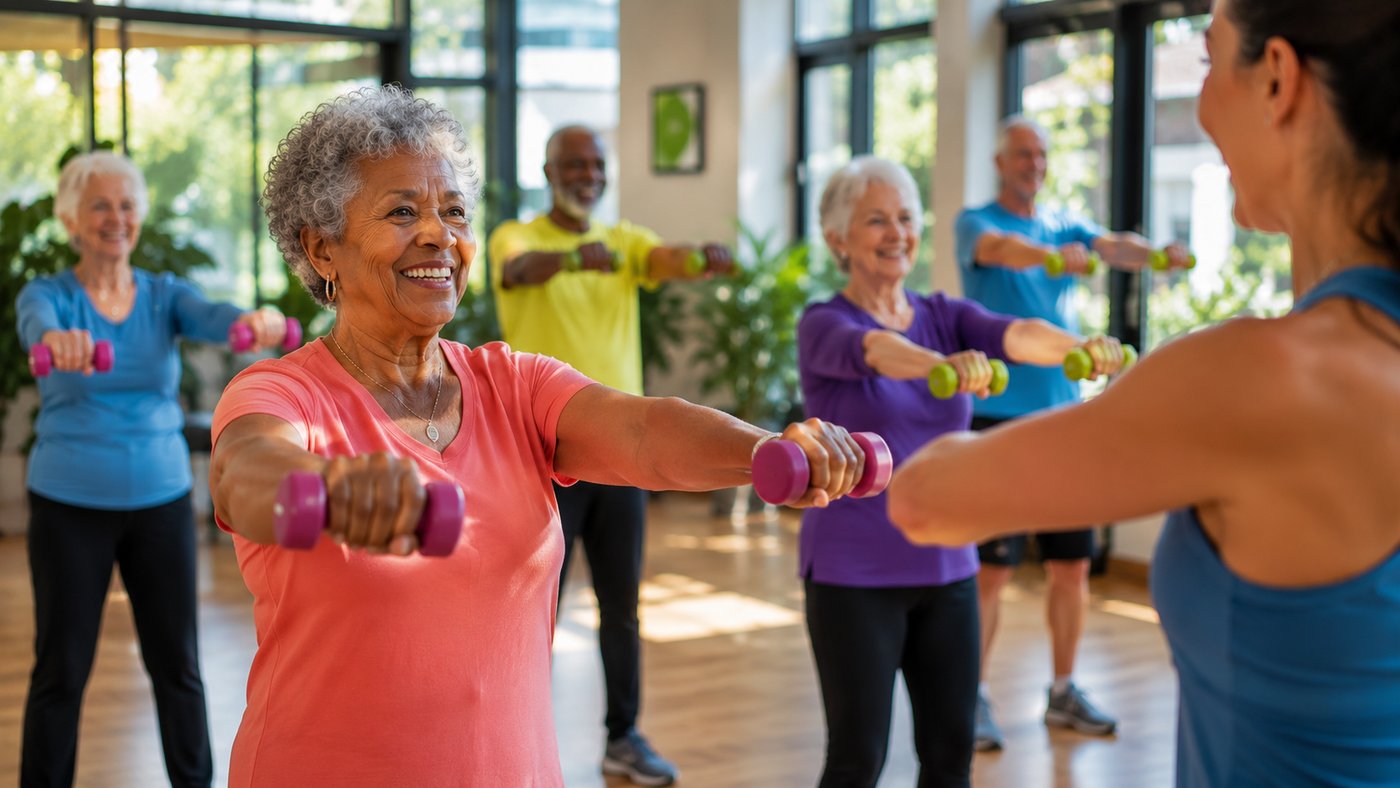
Physical exercise should be recognized as an essential service in adult day care—not simply a recreational activity. Regular, supervised movement supports seniors' mobility, independence, emotional well-being, and overall quality of life.
Many older adults experience muscle weakness, limited mobility, chronic health conditions, cognitive changes, social isolation, or an increased risk of falling. These challenges can create a harmful cycle: fear of falling leads to less movement, inactivity causes greater weakness, and that weakness makes everyday activities more difficult.
Adult day care centers can interrupt this cycle by providing safe, supervised, and appropriately adapted physical activity.
Preserving Independence
Everyday tasks such as standing from a chair, walking, dressing, bathing, and using the bathroom require strength, balance, flexibility, and coordination. When these abilities decline, seniors may become increasingly dependent on caregivers.
Exercise cannot prevent all age-related changes, but it can help seniors preserve their existing abilities and slow avoidable physical decline. Maintaining a participant's current level of function—even when improvement is limited—is a meaningful outcome.
Regular movement may help seniors:
- Maintain muscle strength and flexibility
- Improve balance and coordination
- Complete daily tasks more safely
- Reduce stiffness caused by inactivity
- Build confidence when walking or transferring
- Preserve their independence for as long as possible
Creating a Safe Exercise Environment
Families may worry that exercise could cause falls, pain, or fatigue. However, complete inactivity is not necessarily safer. Extended periods without movement can lead to muscle loss, poor balance, stiffness, and reduced endurance, which can increase the risk of falls.
Adult day care centers provide a controlled environment where trained staff can supervise participants, modify activities, encourage rest breaks, and monitor for pain, dizziness, breathing difficulties, or unusual fatigue.
Safe activities may include:
- Chair exercises and seated stretching
- Supervised walking
- Gentle dancing or movement to music
- Sit-to-stand practice
- Balance and coordination activities
- Resistance bands or light hand weights
- Balloon volleyball and other movement-based games
- Range-of-motion and breathing exercises
The goal is not athletic performance. It is to help each participant move safely, comfortably, and as independently as possible.
Supporting Emotional and Cognitive Health
Exercise benefits more than the body. Many seniors experience loneliness, anxiety, depression, grief, or a diminished sense of purpose. Group physical activities offer opportunities for conversation, encouragement, laughter, and accomplishment.
Dancing to familiar music may bring back positive memories, while completing a chair exercise session may build confidence. Participating in activities with others can help seniors feel included and connected.
Movement can also promote cognitive engagement. Following simple instructions, counting repetitions, passing a ball, or copying movements require attention, memory, and coordination. For seniors living with dementia, activities can be simplified using visual demonstrations, repetition, familiar music, and one-step directions.
Although exercise is not a cure for dementia, structured movement can reduce boredom, reinforce routines, and provide meaningful opportunities for participation.
Individualizing Activities
Every participant has different abilities, diagnoses, interests, and healthcare needs. A person who walks independently may enjoy a supervised walking group, whereas someone who uses a wheelchair may benefit from seated stretching and upper-body exercises.
Staff should consider:
- Mobility level and fall history
- Use of a wheelchair, walker, or cane
- Arthritis, chronic pain, or osteoporosis
- Heart or respiratory conditions
- Cognitive or communication limitations
- Recent injuries or surgeries
- Fatigue and endurance
- Healthcare recommendations or restrictions
Participants should never be pressured into performing an activity that causes pain or distress. Exercise should respect personal choice while providing appropriate encouragement and assistance.
Frailty should lead to greater supervision and adaptation—not automatic exclusion. Even limited movement can support flexibility, circulation, comfort, confidence, and social participation.
Benefits for Families and Caregivers
When seniors preserve their strength and mobility, they may be able to participate more actively in activities such as walking, dressing, toileting, and transfers. This can reduce some of the physical strain experienced by caregivers.
Families may also feel reassured knowing their loved one is spending the day engaged in meaningful activities rather than being sedentary. Adult day care centers can strengthen this partnership by sharing information about activities and by encouraging safe movement at home when appropriate.
Our Commitment at Buena Vida ADHC
Adult day care centers do more than offer supervision. They help seniors stay active, connected, and involved in their communities.
At Buena Vida ADHC, we believe every senior deserves the opportunity to move at their own pace. Through safe, compassionate, and person-centered physical activities, we help participants maintain their confidence, dignity, independence, and quality of life.
Regular exercise is not merely an addition to adult day care. It is a fundamental part of supporting healthier, more fulfilling lives for older adults.
Activities should be tailored to each participant's health and abilities. Seniors should follow their healthcare professionals' recommendations before starting or significantly modifying an exercise program.